

Articles
✈️ The Aspiring Pilot’s Guide to Choosing a Flight School


Congratulations on your decision to pursue aviation! To ensure you find the perfect fit for your aspirations, use the following eight core factors to evaluate potential schools.

- Location, Location, Location
Where you train dictates your daily logistics and your flying environment.
Proximity: Calculate the true commute time and cost. A school closer to home reduces fatigue and saves money over the course of 40+ flight lessons.
Weather: Investigate local weather patterns. Consistent “VFR” (Visual Flight Rules) weather means you fly more often; frequent storms or fog can ground you for weeks, stalling momentum.
Airspace:
Busy Airspace: Offers complex radio communication experience but can be overwhelming for beginners.
Quiet Airspace: Allows for uninterrupted practice but may require extra effort to master Air Traffic Control communication later. - Instructors: Your Mentors in the Sky
Your instructor is your lifeline to knowledge and safety.
Experience & Qualifications: Look for a passion for teaching, not just an instructor building hours for an airline job.
Teaching Style: Ensure their style matches your learning needs. You need someone patient, supportive, and adaptable.
Student-to-Instructor Ratio: A lower ratio ensures you aren’t fighting for time on your instructor’s schedule. - Aircraft: Your Wings in Training
The quality of the fleet affects your safety and scheduling.
Fleet Mix: Does the school have modern aircraft (glass cockpits) or older steam gauges? Ensure the aircraft align with your career goals (e.g., training on complex or multi-engine aircraft).
Maintenance: Crucial Safety Check. Ask to see their maintenance logs. Regular, professional maintenance is non-negotiable.
Availability: Ask about the ratio of students to aircraft. If planes are constantly booked or broken, your training will drag on. - Program Structure: The Path to the Cockpit
Curriculum: Is the syllabus organized and transparent? You should always know what comes next.
Accelerated vs. Traditional: Determine if you need a full-time “boot camp” style program (Accelerated) or a pay-as-you-go pace (Traditional) that fits around a job.
Ground School: Is it in-person classroom instruction, online self-study, or one-on-one?
Simulators: Simulators are excellent for practicing emergency procedures safely and saving money on engine time. - Costs and Financing: Making the Numbers Work
Flight training is an investment; avoid hidden surprises.
Total Cost Breakdown: Request a quote that includes tuition, aircraft rental (wet rate vs. dry rate), instructor fees, headset/gear, and examiner fees.
Financing: Ask about scholarships, grants, or partnerships with lenders.
Payment Structure: Avoid schools that demand the full tuition upfront. Look for pay-as-you-go or installment options. - Culture and Atmosphere
The “Vibe” Check: Visit in person. Is the front desk organized? do instructors look happy?
Community: A supportive environment where students help each other study is a massive advantage.
Reputation: Read independent reviews and try to find alumni on forums or social media to get the unvarnished truth. - Accreditation and Certifications
FAA Certification (Part 141 vs. Part 61):
Part 141: These schools are audited by the FAA and follow a strict, approved curriculum. This is often preferred for career-track pilots and may allow for reduced hour requirements.
Part 61: These operate with more flexibility. While some are excellent, they are less regulated. Ensure a Part 61 school has a long track record of stability to avoid the “here today, gone tomorrow” risk.
Other Accreditations: connections to universities or international accreditations can be a sign of quality. - Career Services (For Career Pilots)
Job Placement: Do they have partnerships with regional airlines?
Bridge Programs: Some schools have “flow-through” agreements that guarantee an interview with an airline upon completion of training.
📝 The Flight School Visit Checklist
Bring this list with you when you tour a facility:
[ ] Meet the Instructors: Ask about their flight hours and availability.
[ ] Tour the Hangar: Look for cleanliness and organization in the maintenance bay.
[ ] Inspect the Aircraft: Look for general wear and tear; sit in the cockpit.
[ ] Student Interrogation: Privately ask a current student, “What is the most frustrating thing about training here?”
[ ] Review the Contract: specifically the refund policy if you decide to leave.
Fly With Race City Flight Ops and Discover your Wings!
Training to become an airline pilot, you’ll want to make sure you’re ready. Financing is Available!
🛩🛫www.racecityfo.com🛬✈️
Related Posts
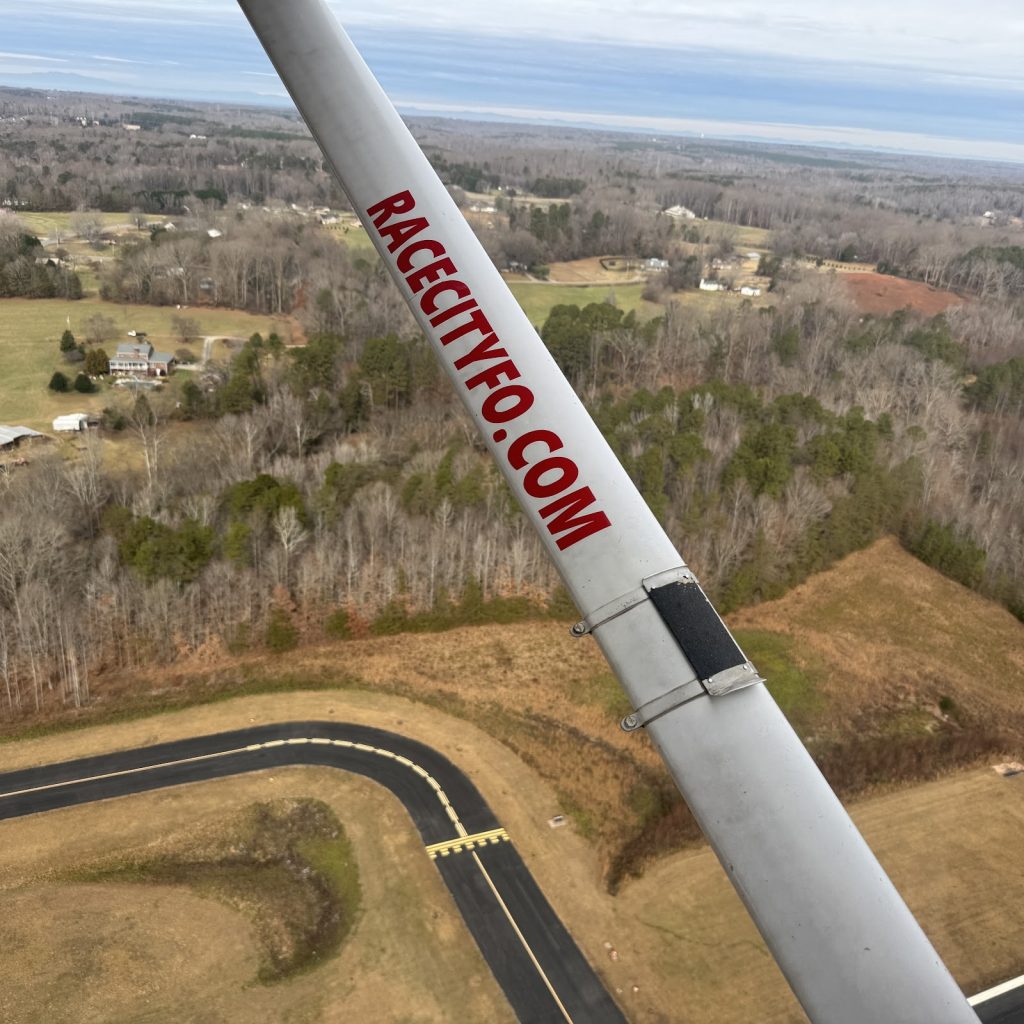
What’s Your Legacy? It Starts with a Takeoff. Time is the most valuable commodity. Spend yours rising above the ordinary. Invest in a skill that commands respect and offers limitless possibility. Race City Flight Operations: The future is lifting off.
Fly With Race City Flight Ops and Discover your Wings!
Training to become an airline pilot, you'll want to make sure you're ready. F...

Tired of your office plant being your only co-pilot? 🪴 Upgrade your view to 35,000 feet! ✈️
From huge salary stats to skipping the 4-year degree, our guide shows exactly how to ditch the desk job and earn your wings. Warning: M...
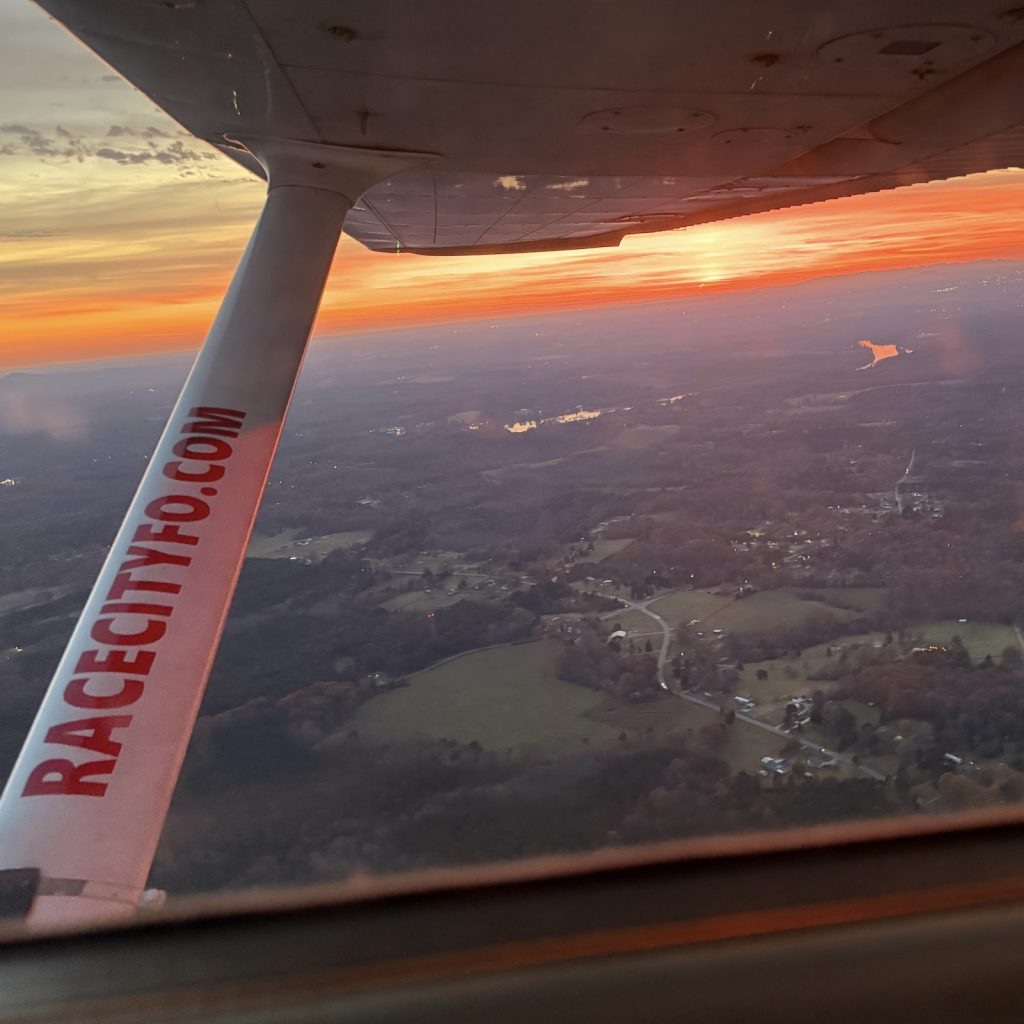
Leave the Past on the Tarmac. The New Year is the perfect moment for a fresh departure. If you’re going to commit to a major life change, make it one that commands respect and offers limitless upward mobility. Your 2026 flight schedule starts now.
Fly With Race City Flight Ops and Discover your Wings!
Training to become an airline pilot, you'll want to make sure you're ready. F...
Warning: Reading this might cause sudden urges to buy aviators and quit your 9-to-5. 🕶️✈️
Discover how to reach $300k+ salaries without a college degree. Your office with a view is waiting—download the roadmap to the airlines...

Aviation: Where Skill Never Goes Out of Style. Trend-proof, recession-proof, and utterly commanding. Join the ranks of those who manage complex machinery and conquer the air. The best careers have the best view. The sky is your next promotion.
Fly With Race City Flight Ops and Discover your Wings!
Training to become an airline pilot, you'll want to make sure you're ready. F...

Finally, a shirt that explains why you’re always tired, smell like 100LL, and keep looking at the clouds. Our Pilot Life tee is the unofficial uniform for those who live for the lift. Soft enough for long cross-countries, sharp enough for the hangar. Grab yours in-store!
Fly With Race City Flight Ops and Discover your Wings!
Training to become an airline pilot, you'll want to make sure you're ready. F...

The View from the Top Isn’t a Reward. It’s a Starting Point. Stop celebrating yesterday’s wins. Focus on the next horizon. We provide the aircraft and the instructional excellence. You provide the commitment to constant success. Fly further.
Fly With Race City Flight Ops and Discover your Wings!
Training to become an airline pilot, you'll want to make sure you're ready. F...

Own the frequency and the fashion. Our CLT Tower tee is for those who know exactly who’s in charge—and look good while checking in. Soft, stylish, and loud enough to clear you for an immediate departure. Grab yours in-store and wear the tower on your sleeve.
Fly With Race City Flight Ops and Discover your Wings!
Training to become an airline pilot, you'll want to make sure you're ready. F...

The Only Way to See the World This Clearly. Nothing clarifies priorities quite like 10,000 feet. Experience the singular focus and absolute control that comes with true mastery. Race City: Precision training for ambitious futures.
Fly With Race City Flight Ops and Discover your Wings!
Training to become an airline pilot, you'll want to make sure you're ready. F...

“More Right Rudder” isn’t just a correction; it’s a lifestyle. This exclusive T-shirt is the only thing that stays centered during your climb to the top. Soft, sharp, and a subtle nod to everyone who’s ever heard that phrase in their sleep. Wear the brand. Stay coordinated. Shop in-store!
Fly With Race City Flight Ops and Discover your Wings!
Training to become an airline pilot, you'll want to make sure you're ready. F...
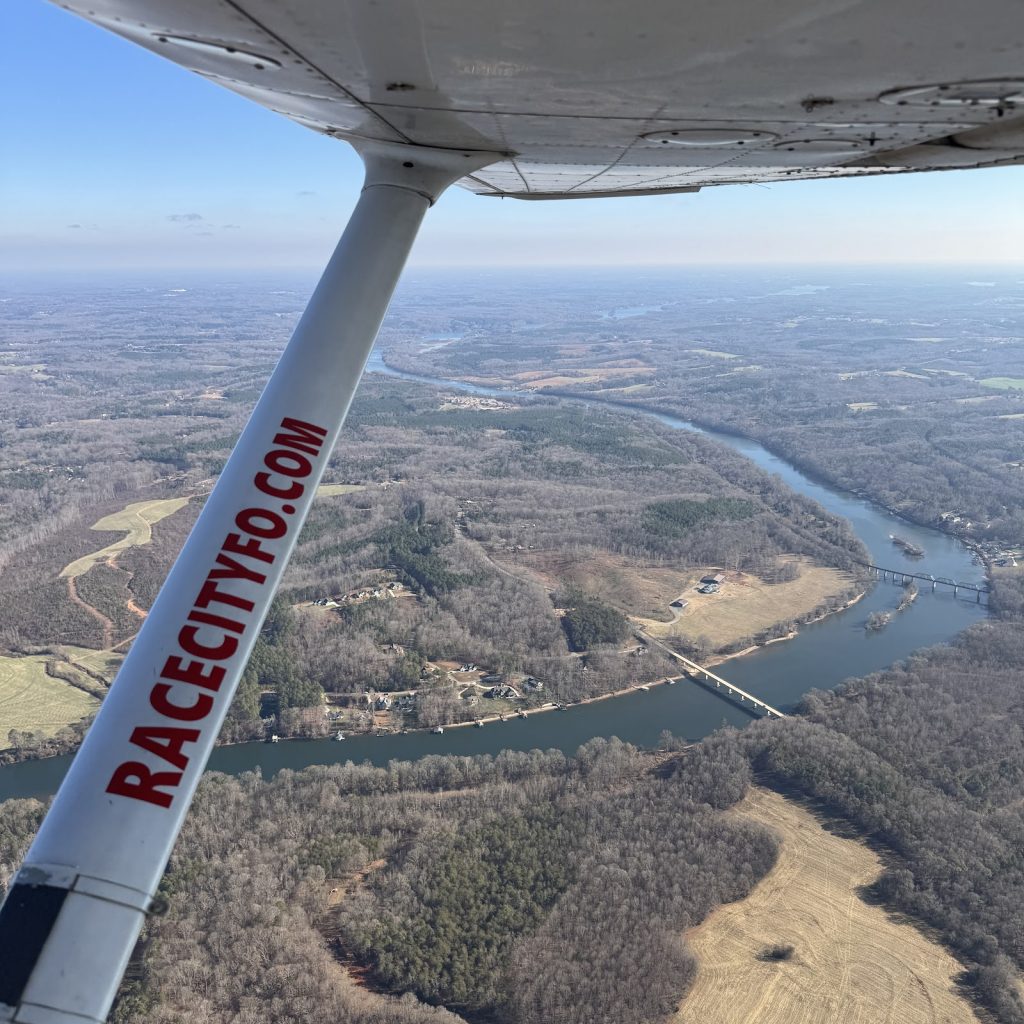
You’re Not Just Learning to Fly. You’re Learning to Lead. The cockpit is the ultimate executive suite. Decisions are swift. Execution is everything. We train leaders who are ready for any pressure, any altitude. Are you ready for command?
Fly With Race City Flight Ops and Discover your Wings!
Training to become an airline pilot, you'll want to make sure you're ready. F...

It’s not too late! Looking like a Captain is 50% of the job. Our exclusive Race City gear ensures you’re the best-dressed person on the ramp. From soft tees to sharp hats, it’s the uniform of the high-achiever. Wear the brand that matches your ambition. Shop the collection in-store!
Fly With Race City Flight Ops and Discover your Wings!
Training to become an airline pilot, you'll want to make sure you're ready. F...



 Discover YOUR Wings!
 Financing for your career in aviation is available.
 Hundreds and Hundreds of pilots have learned at Race City since 2014.
